



A new lizard for Nepal spotted from Nepal’s “FORGOTTON TIGER LAND”
NCRC’s team members have recorded a new lizard species for Nepal from Chure hills of Morang district, Nepal. The lizard known as Sikkim grass lizard (Takydromus sikkimensis), the name Sikkim has been given to this species because it was discovered from Sikkim in 1888. The researchers are worried for its conservation because it is already categorized as Endangered by IUCN.

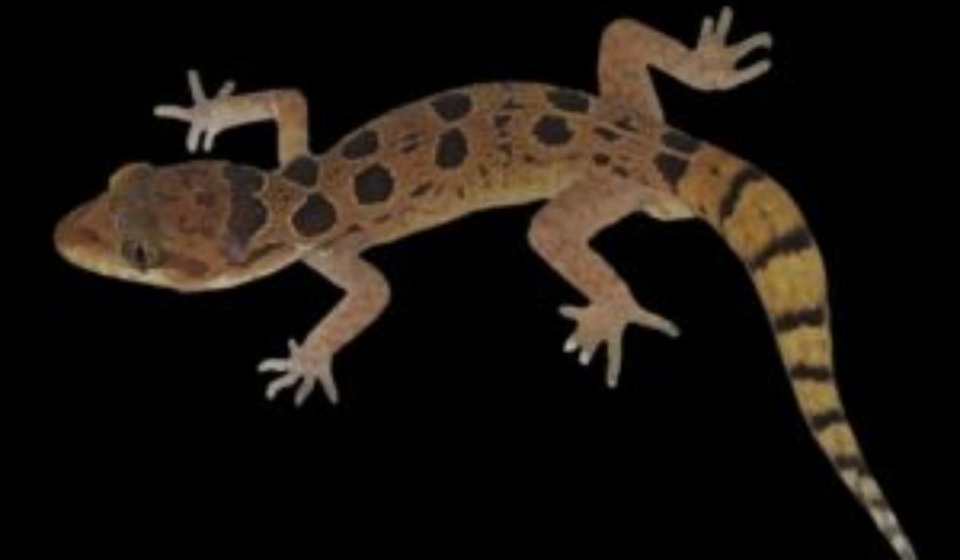
Figure 1. Sikkim Grass lizard from Miklajung Morang. Photo: Bivek Gautam
During biodiversity survey in Chure range of Miklajung Morang, a team of researchers from Biodiversity Research and Conservation Society and Nepal Conservation and Research Center spotted a lizard which was not previously encountered by them. The physical appearance of the lizard with brown upper body parts and greenish coloration on mouth and underparts stroke in mind of the team “this is something which never been reported before from Nepal”. On close observation and after measuring the body parts and counting the physical characters of the body, the lizard turned to be a new species record for Nepal and known as Sikkim grass lizard (Takydromus sikkimensis); previously thought to be found only in the state of Sikkim, India (hence the species name is named as sikkimensis). Recently, the observation of this lizard has been published in the journal Herpetozoa by the team members Bivek Gautam, Santosh Bhattarai and Ram Chandra Kandel ( link).
The lizard is a diurnal species which becomes active during the daytime. The lizard was first spotted from upper Chure region of Miklajung Mornag from Schima-Castonopis mixed forest. Although the new record has been published from Miklajung Morang, “We later spotted this species from Panchthar and Ilam districts during our other herpetofauna expeditions” Said Bivek Gautam. The lizard has already been listed as Endangered in the IUCN Red List due to human induced survival threats to the species.
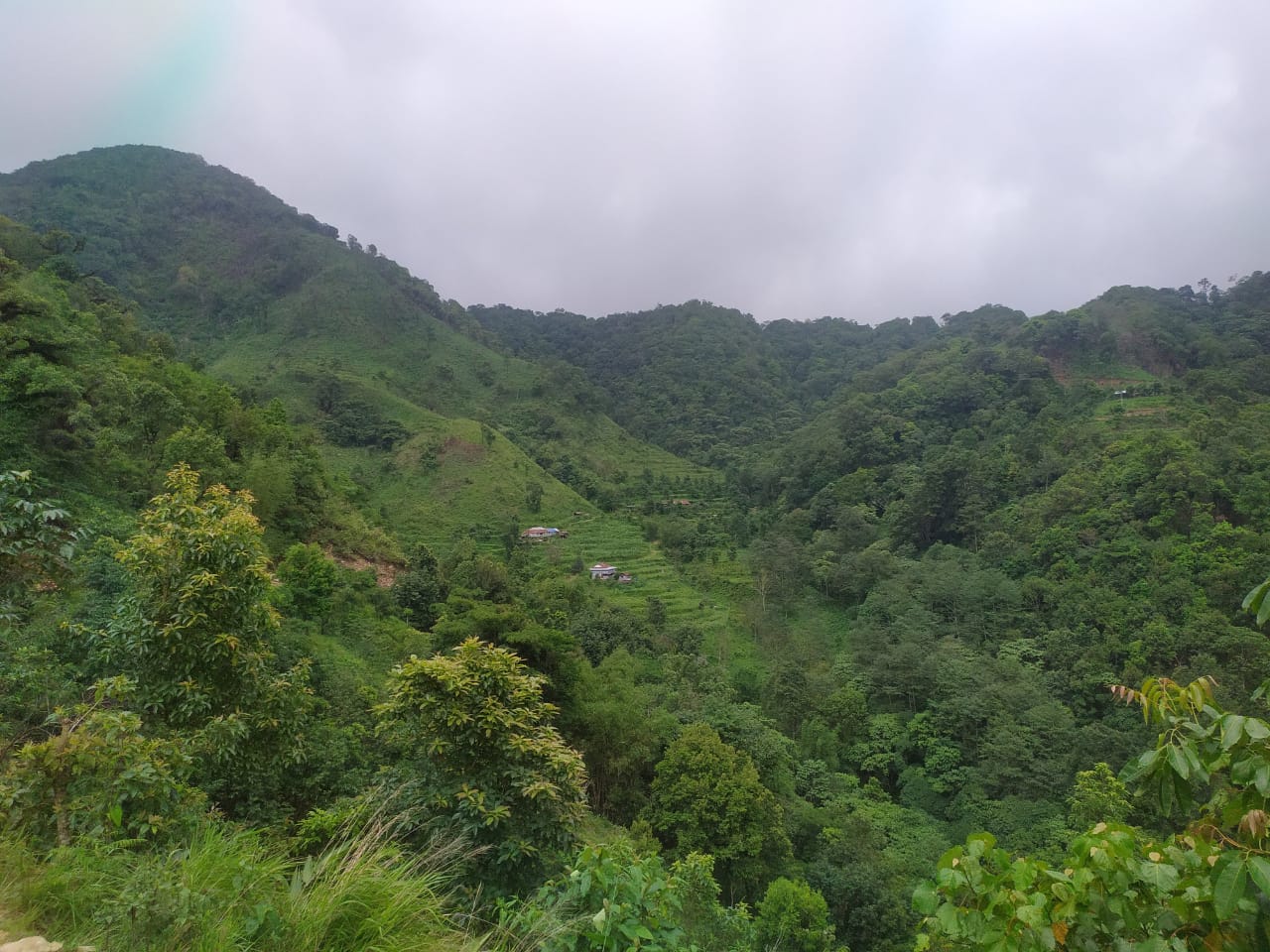
The lizard was spotted approximately 100 km west from its previously reported location in Sikkim, India. “The habitat we recorded in Nepal is also facing same grave threat for the survival of the lizards, the Chure hills in Nepal is most vulnerable landscape in Nepal with unregulated resource extraction” said Santosh Bhattarai, herpetologist from Nepal Conservation and Research Center. Bhattarai also added “Even Nepal’s tiger centric conservation efforts by the Government of Nepal and conservation organizations have overlooked the conservation potential of Chure/Sivalik hill ranges. Therefore, this hill range is also sometimes termed as “Forgotten tiger land” by the tiger experts of Nepal”. The efforts should be made for regular monitoring of the biodiversity of the Chure hills of Nepal and biodiversity rich areas should be taken into account for conservation and management.