The King Cobra, the world’s longest venomous snake, is facing an increasing risk of decline that demands immediate conservation efforts. This iconic species, vital for maintaining ecosystem balance, is threatened by a combination of factors leading to a conservation crisis in Nepal. Recent studies conducted between 2005 and 2024 documented at least 94 King Cobra mortality cases in Nepal, with the highest numbers reported from the lowland regions, particularly in Madhesh and Lumbini Provinces. Limited awareness, low acceptance towards snakes, and lack of rescue and response mechanisms further intensify these crisis. The King Cobra is globally listed as Vulnerable by the IUCN, and without urgent action, Nepal risks losing this magnificent and ecologically crucial reptile.
Key Threats to the King Cobra in Nepal:
- Habitat Destruction: Rapid loss and degradation of existing habitats, and the dispersal corridors are directly impacting the King Cobra’s natural environment.
- Direct Mortality: King Cobras are frequently killed due to fear, exacerbated by their large size and venomous nature. Road mortality is also a significant and alarming cause of death.
- Lack of Awareness and Capacity: Limited public understanding of snake ecology, insufficient trained rescue facility, and a lack of awareness about their ecological importance are accelerating their decline.
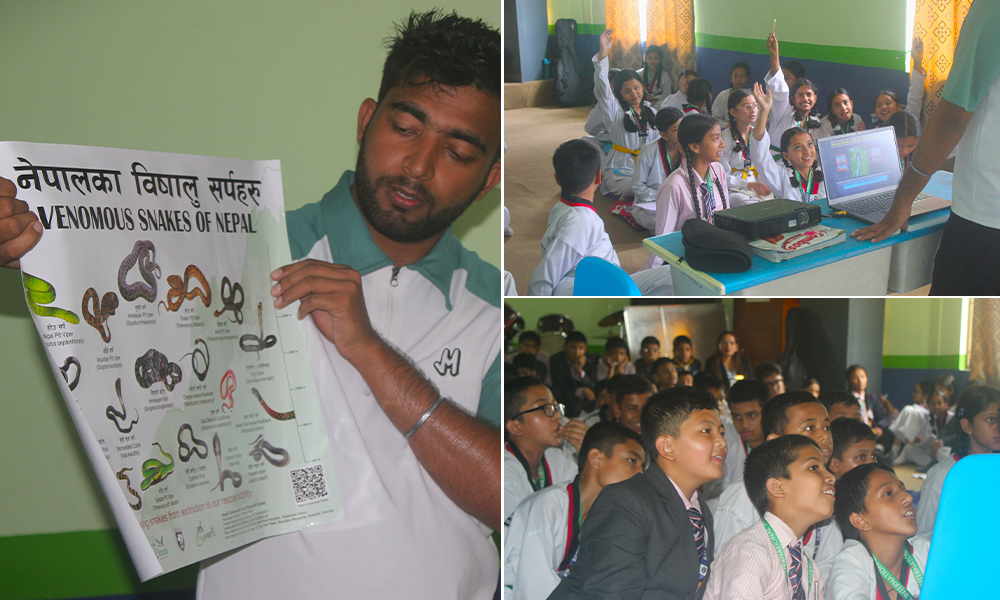
To address these urgent conservation challenges, we have launched the King Cobra Conservation Initiative in Nepal, a long-term effort dedicated to protecting both people and King Cobras through awareness, research, improved rescue, and habitat conservation.
Urgent Conservation Actions Needed:
The King Cobra Conservation Initiative in Nepal is calling for immediate collaboration on several fronts:
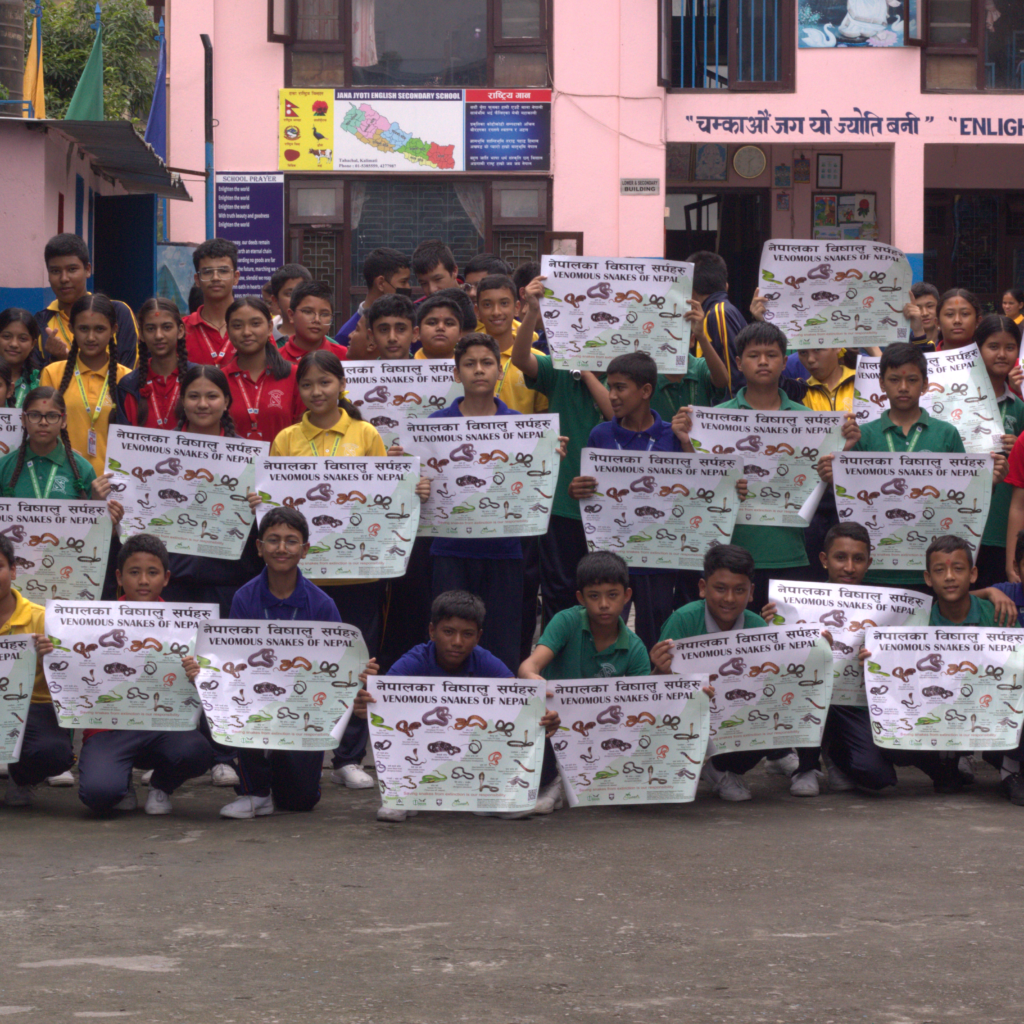
- Community Engagement: Implement awareness and education programs to foster understanding and reduce fear-driven killings.
- Habitat Conservation: Safeguard critical habitats and breeding sites from further destruction.
- Mortality Reduction: Develop strategies to significantly reduce roadkill incidents and intentional killings.
- Improved Rescue and Response: Establish and train snake rescue teams for rapid, effective intervention.
- Research and Monitoring: Conduct scientific research and establish long-term monitoring programs to better understand and protect the species.
- Coexistence Promotion: Advocate for and educate on safe human-snake coexistence practices.
We appeal to all stakeholders, conservation organizations, government agencies, researchers, educational institutions, and nature supporters to unite in saving the King Cobras and their habitats in Nepal.